
Guidance
Visa & Permits, Explained
Every trek in Nepal requires some combination of a tourist visa, trail permits, and conservation fees. It sounds like a lot on paper - in practice, we handle almost all of it for you once you’re booked. This page explains exactly what’s required, what it costs, and what you’ll need to bring.
Nepal Tourist Visa
Most nationalities can obtain a Nepal tourist visa **on arrival** at Tribhuvan International Airport in Kathmandu, or in advance through a Nepali embassy or consulate in your home country. The on-arrival process is straightforward: fill out an arrival form (paper or via the online portal beforehand to save time), pay the fee in cash (USD preferred) or card where available, and you’re through in most cases within 20–30 minutes.
Visa Fees by Duration
Visa fees and eligible nationalities change periodically. We recommend confirming current rates on the official Department of Immigration, Nepal website before you travel.
What You’ll Need to Bring
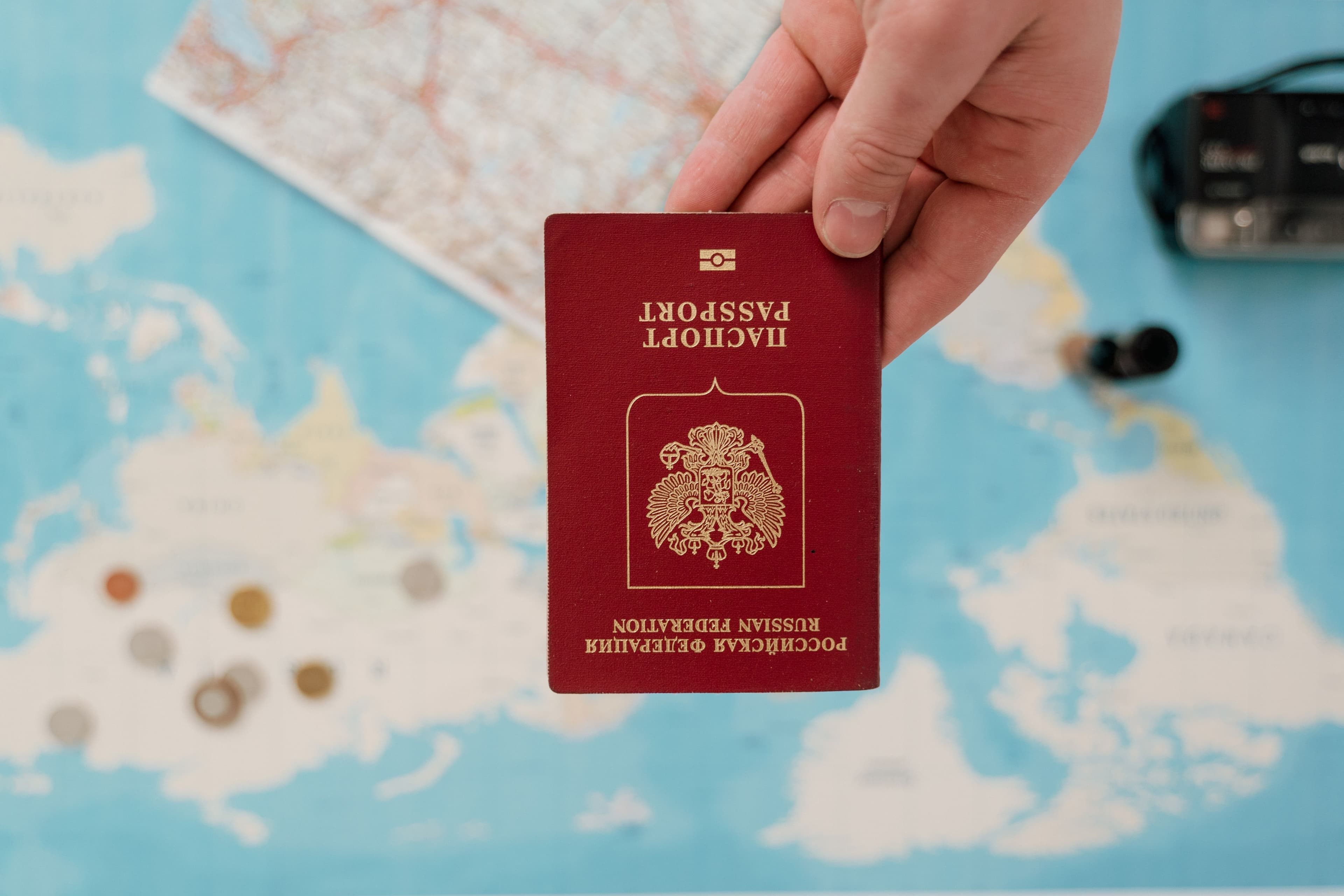
- Passport valid for at least 6 months beyond your travel dates
- Two passport-sized photos (for visa and permit applications)
- Visa fee in cash (USD is widely accepted; carry small denominations)
- A printed or digital copy of your travel insurance policy
- Your booking confirmation from HippieTrek
The TIMS Card
TIMS (Trekkers’ Information Management System) is a tracking card required for most trekking routes in Nepal, introduced to help authorities monitor trekker movement for safety and search-and-rescue purposes. It’s issued through TAAN (Trekking Agencies’ Association of Nepal) or the Nepal Tourism Board.
When you book a guided trek with us, your TIMS card is arranged as part of your package - you won’t need to queue at an office yourself. Independent trekkers without a registered guide pay a higher TIMS fee and, on several routes, are no longer permitted to trek without one.
Trekking Permits by Region
Beyond your visa, most trekking routes pass through a national park or conservation area requiring its own entry permit. Some remote regions also require a restricted area permit, which is only issued to trekkers with a licensed guide - one of the reasons independent trekking isn’t possible everywhere in Nepal.
Everest / Khumbu Region
Annapurna Region
Langtang Region
Restricted Areas (Upper Mustang, Manaslu, Nar Phu)
Processing Time
Standard national park permits and TIMS cards are typically processed same-day once your documents are ready. Restricted area permits (Upper Mustang, Manaslu, Nar Phu, and similar) require more lead time - we recommend finalizing your booking at least 3–4 weeks before departure for these regions, since applications must be submitted through a registered agency and processed by the Department of Immigration.
What HippieTrek Handles For You
Once you’re booked, our team takes care of every permit and park fee listed above as part of your trek package - you simply need to arrive with a valid passport, visa, and travel insurance. We’ll confirm exactly what’s needed for your specific route during trip preparation.
Questions about your specific trek? Contact us →